Blog
Navigating Tariffs: A Strategic Pathway for Canadian Manufacturers
Sep 1, 2025
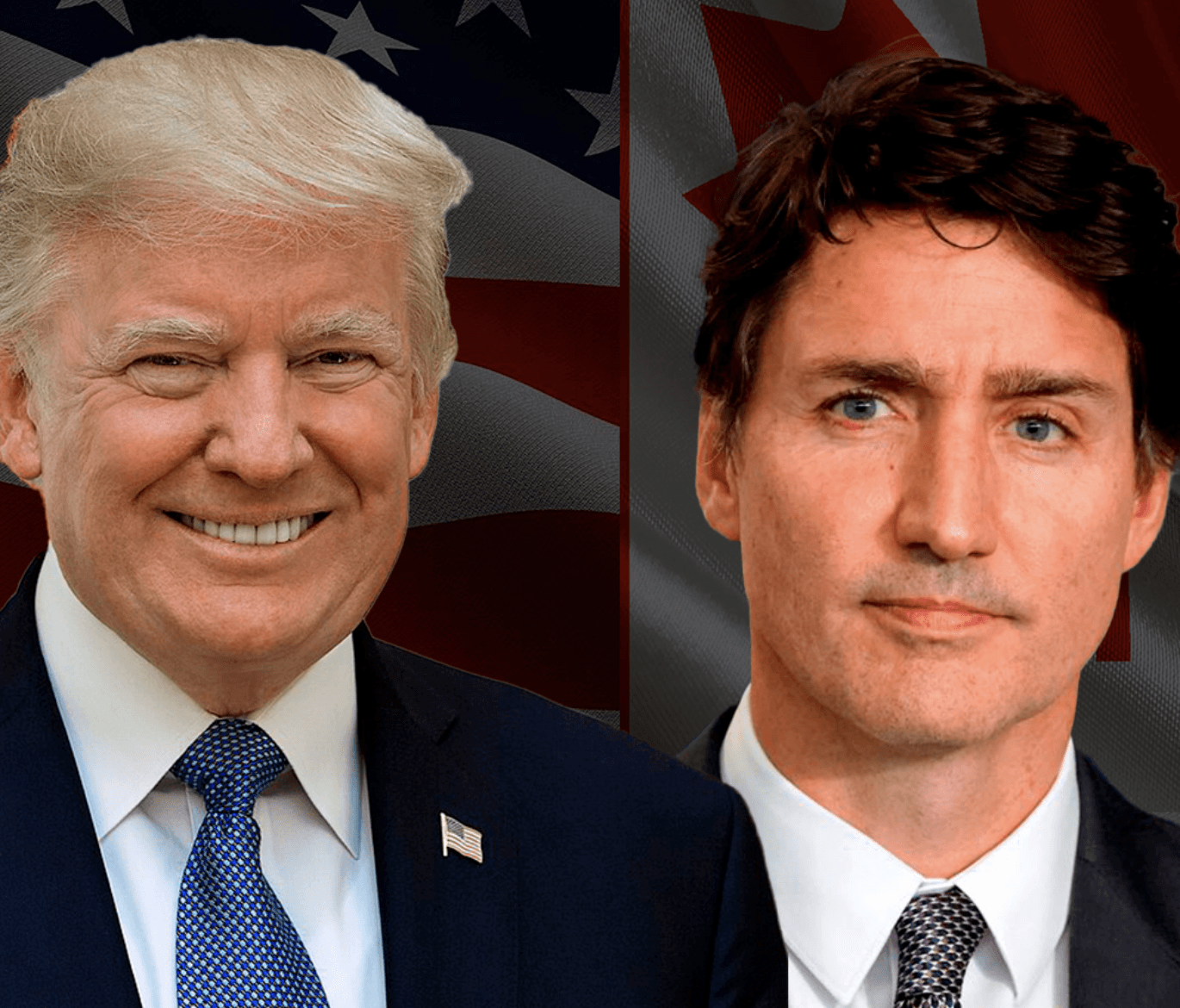
Navigating Tariffs: A Strategic Pathway for Canadian Manufacturers
The recent escalation of U.S. tariffs presents both challenges and opportunities for Canadian manufacturers. With careful planning and strategic adjustments, businesses can mitigate risks and maintain competitiveness in this evolving trade landscape.
Understanding the Current Tariff Environment
In March 2025, the U.S. implemented significant tariff increases affecting Canadian exports. These include a 35% general tariff on most goods, with specific sectors like steel and aluminum facing even higher rates at 50%. While these measures create obstacles, the USMCA agreement continues to provide duty-free access for qualifying products.
Key Strategies for Canadian Manufacturers
1. Maximize USMCA Benefits
Many Canadian manufacturers are leaving money on the table by not fully utilizing USMCA provisions. Proper documentation and compliance with rules of origin can maintain tariff-free access for eligible goods. Companies should conduct thorough supply chain audits to ensure components meet North American content requirements. Working with experienced customs brokers can streamline this process and prevent costly oversights.
2. Diversify Export Markets
Overreliance on the U.S. market leaves Canadian manufacturers vulnerable to policy shifts. Exploring opportunities in the EU through CETA or Asian markets via CPTPP can provide valuable alternatives. Government programs like CanExport offer financial support for market diversification efforts.
3. Optimize Domestic Operations
Investing in automation and process improvements can help offset increased costs. Many manufacturers are finding success through lean manufacturing initiatives and strategic partnerships with local suppliers.
4. Engage in Policy Advocacy
Active participation in industry associations ensures manufacturers' voices are heard in ongoing trade discussions. The upcoming USMCA review in 2026 presents an opportunity to shape more favorable terms for Canadian businesses.
The Road Ahead
While tariffs present immediate challenges, they also encourage innovation and supply chain optimization. Manufacturers who adapt proactively will be best positioned for long-term success in the North American market.